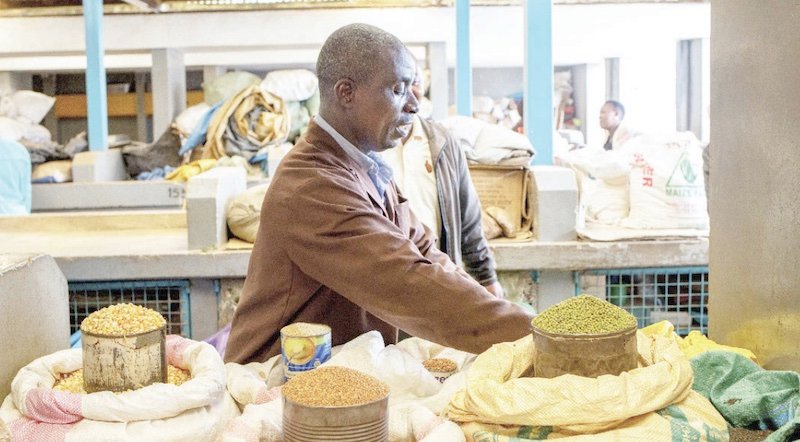
As East Africa's consumer base grows, a shift towards organic and sustainable produce is on the rise, driven by a desire for healthier food options and support for local farming traditions.
The increasing demand for agroecological products has placed them at the forefront of discussions around sustainable food systems in the region.
However, despite this growing demand, the region's policy and trade architecture has yet to keep pace, leaving a significant gap between supply and demand.
The East African Community (EAC) aims to deepen regional integration by fostering seamless movement of goods, predictable rules, and a fair marketplace for all its member states.
Under the EAC Treaty and Customs Union Protocol, Partner States have committed to harmonizing sanitary and phytosanitary measures and technical regulations to facilitate intra-regional trade.
Article 108(c) and Article 38(1C) clearly direct governments to align these systems, but in practice, agroecological traders face significant challenges due to varying phytosanitary thresholds, laboratory accreditations, border officer documentation rules, and unpredictable inspections.
The unpredictability of trade processes poses a significant barrier for smallholder farmers who operate on thin margins.
Non-tariff barriers (NTBs) remain one of the biggest obstacles to regional integration, with discriminatory taxes, procedural delays, and inconsistent regulations collectively choking trade flows.
A recent study by the Alliance for Food Sovereignty in Africa (AFSA) warns that unless agroecological entrepreneurs are integrated into regional markets, trade within the EAC will continue to be dominated by large industrial traders.